About
Governor Andrew M. Cuomo
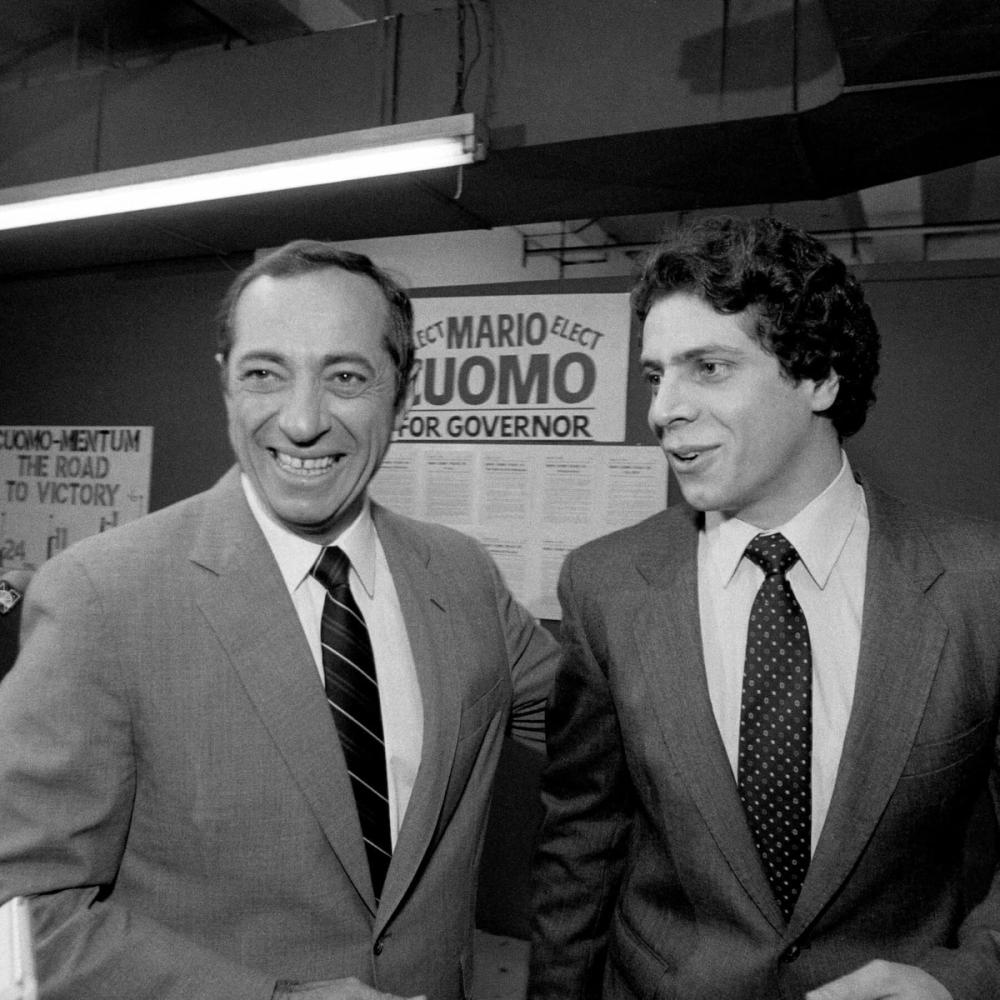
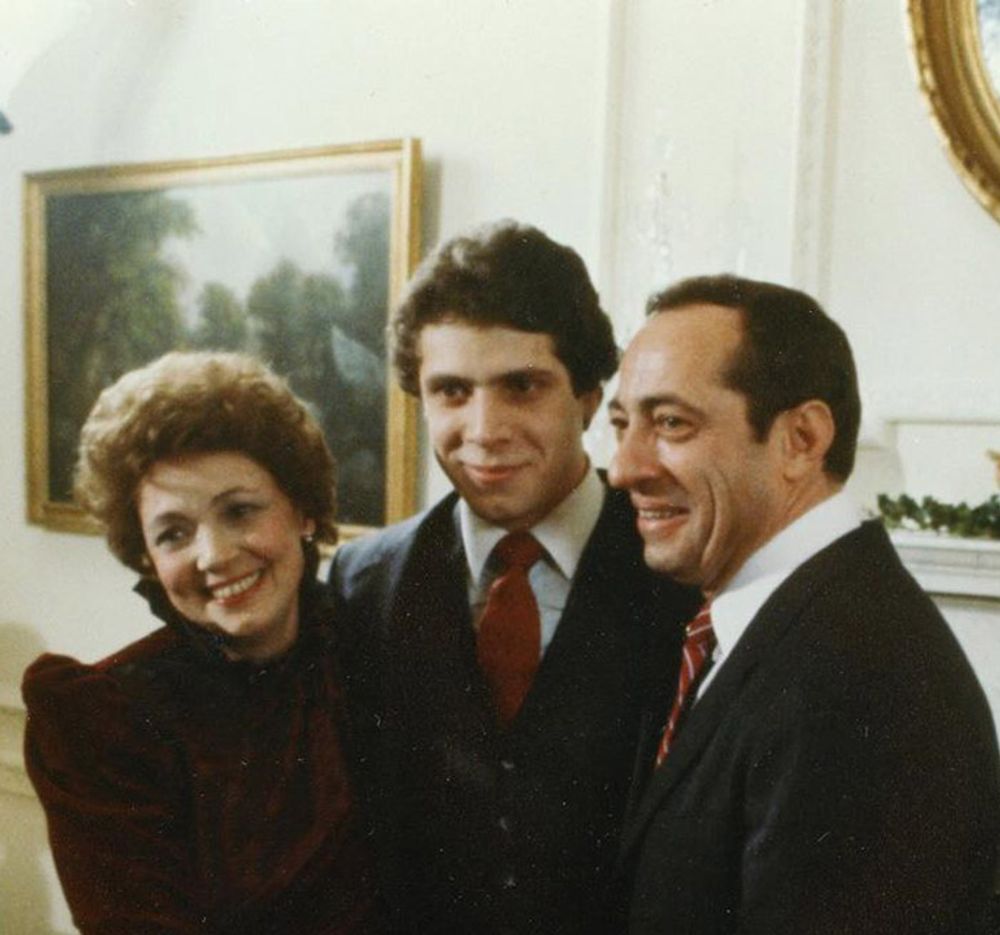
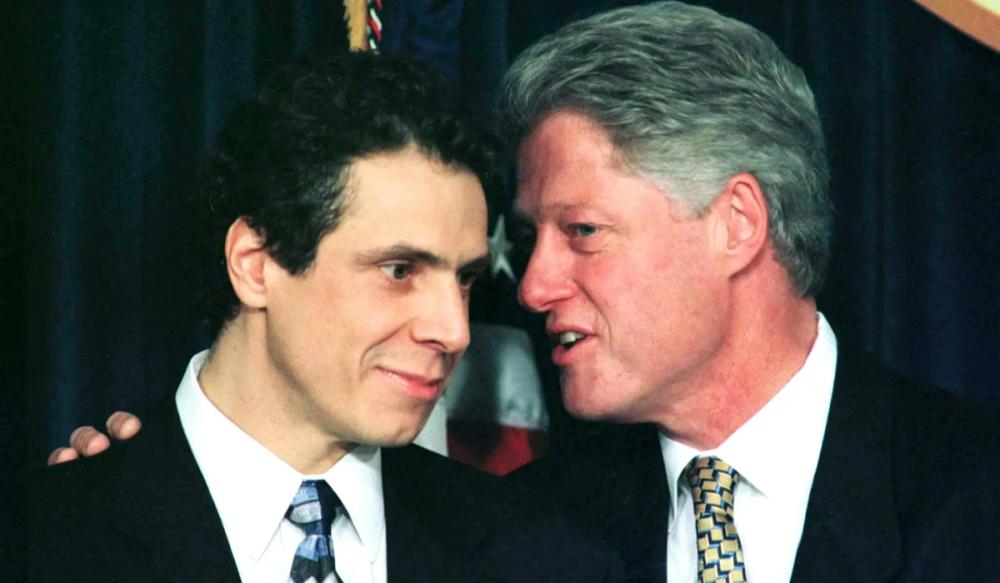
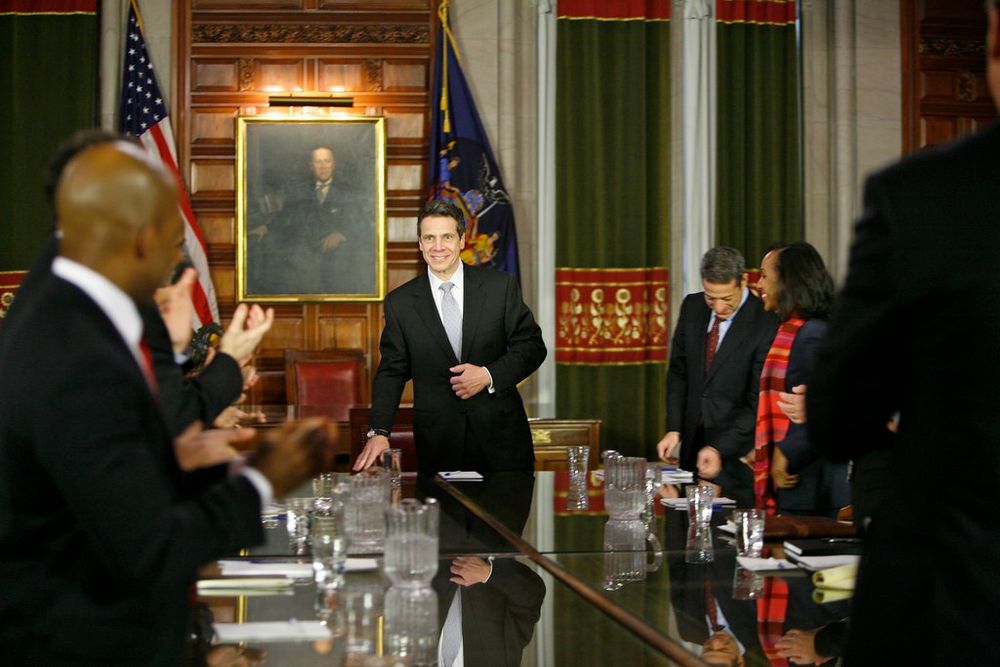
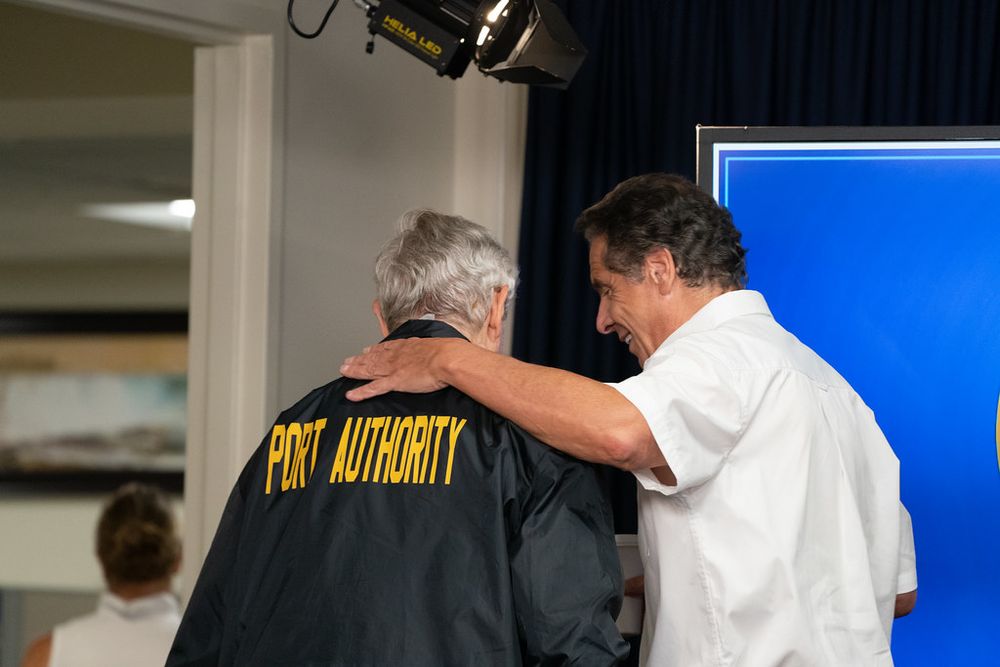
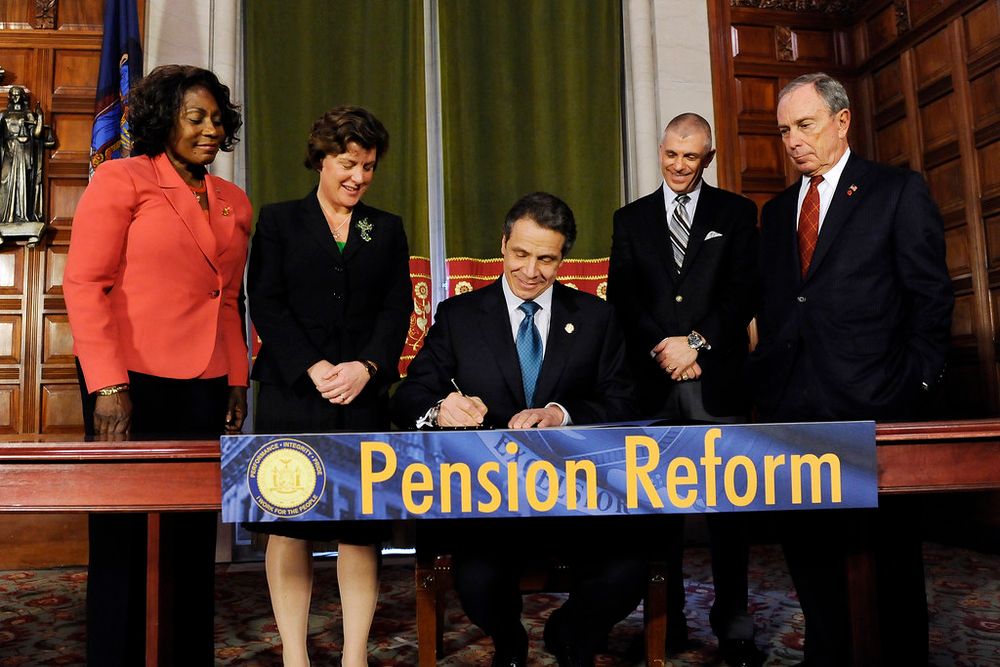

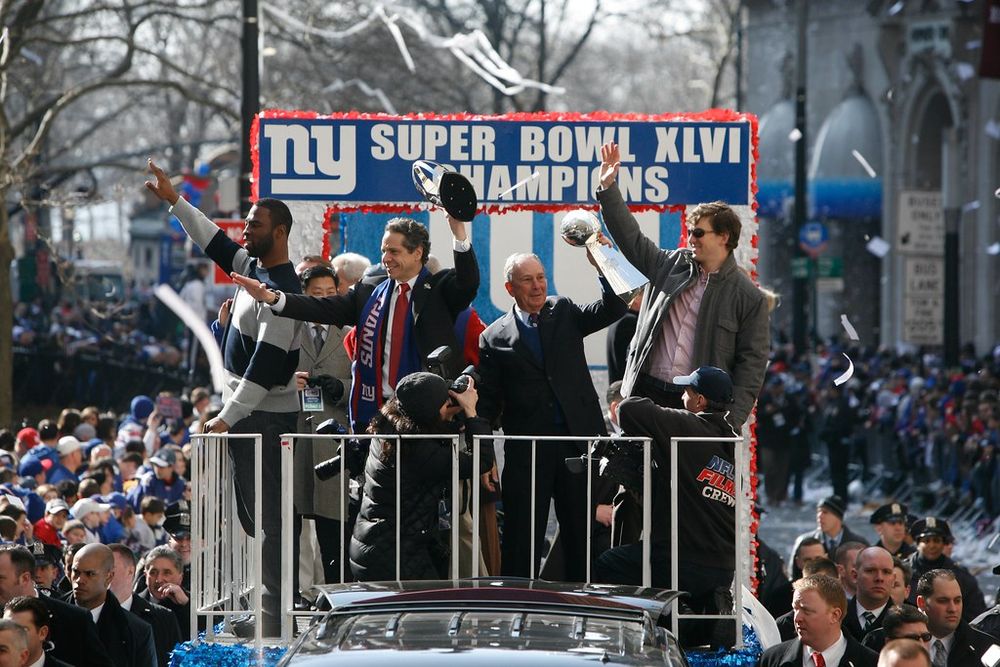
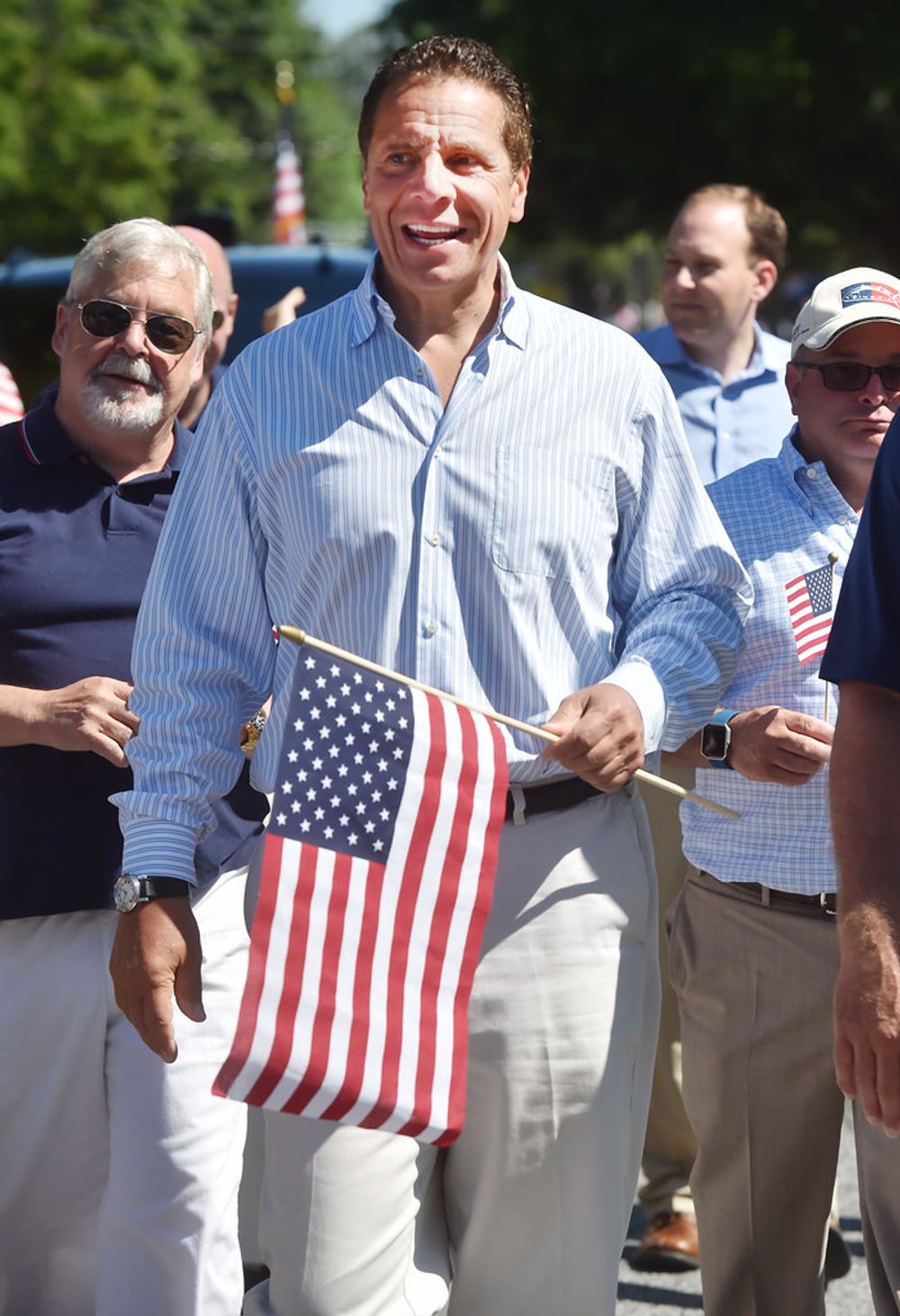
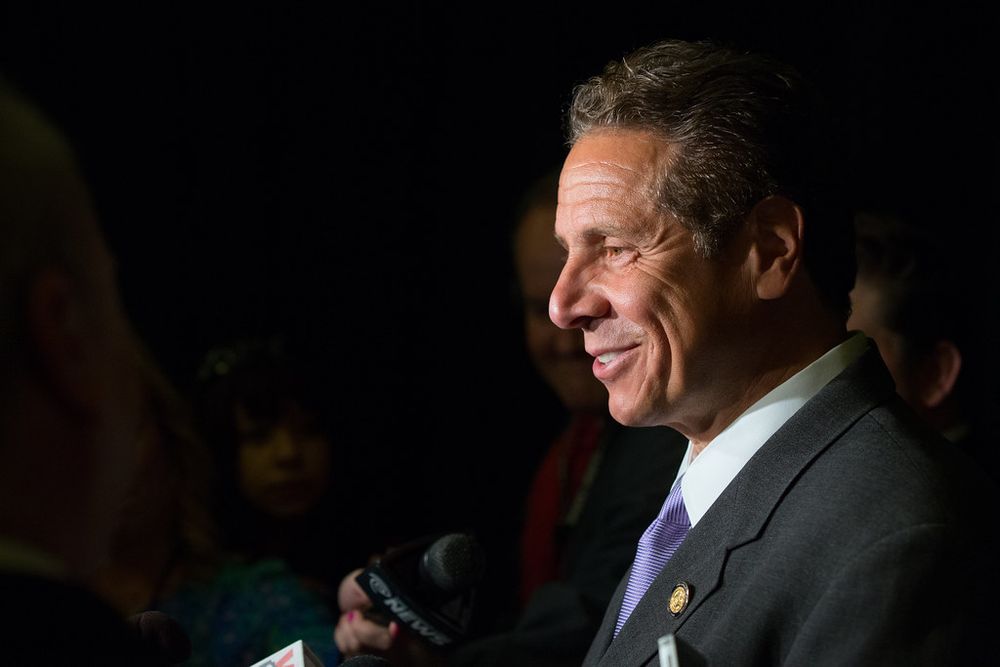
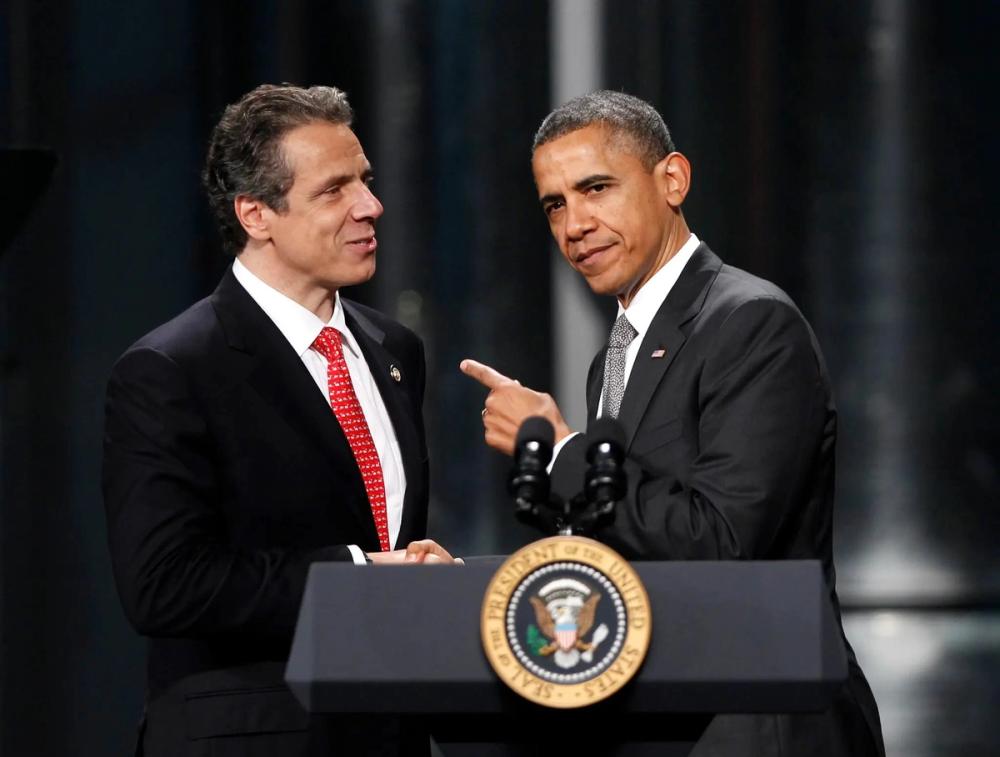
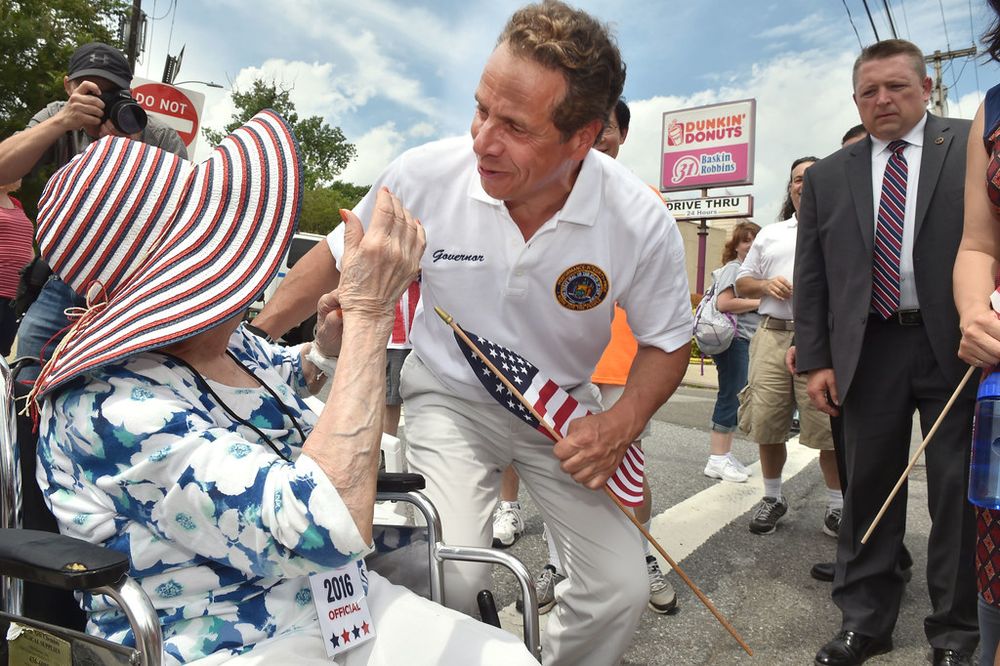
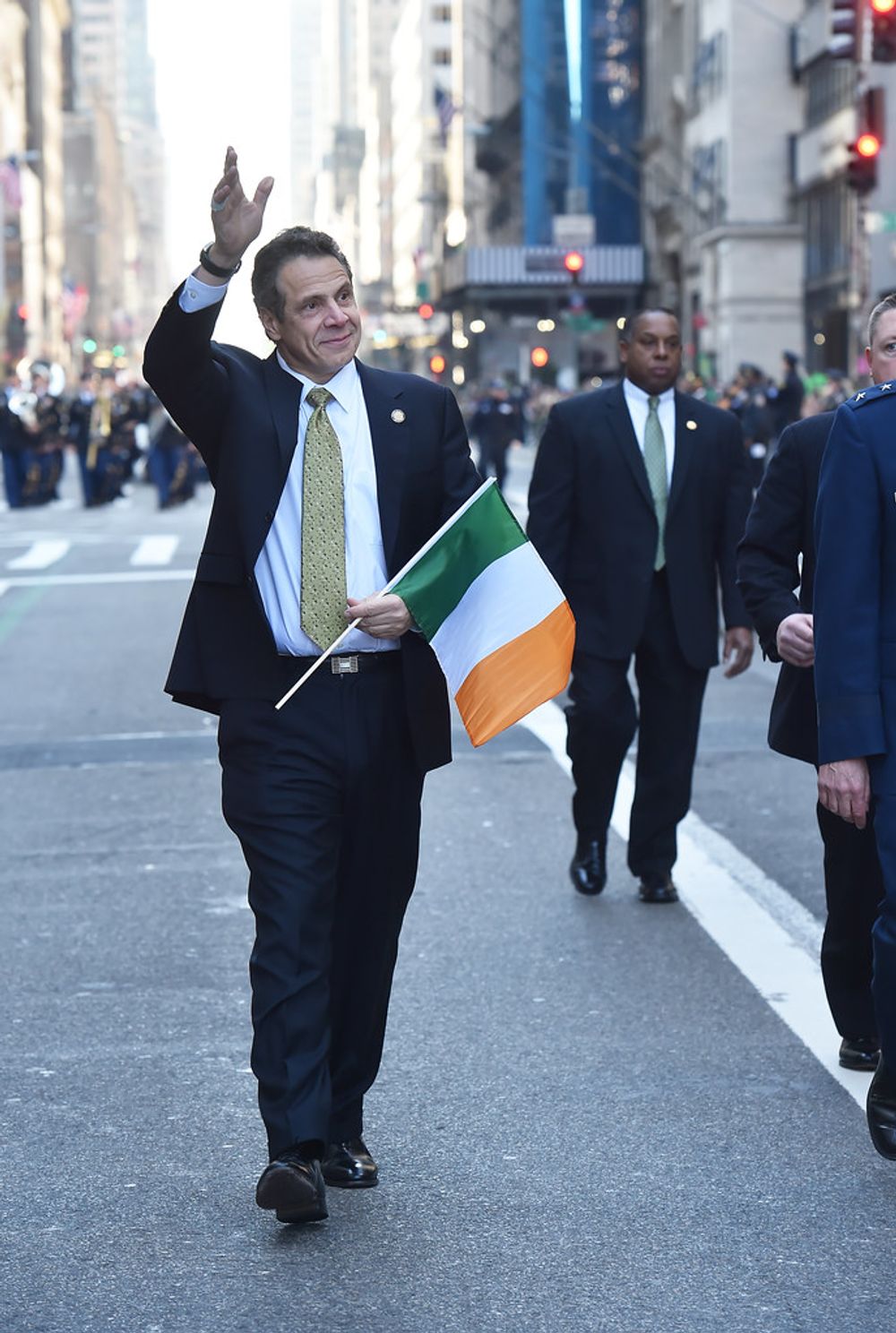
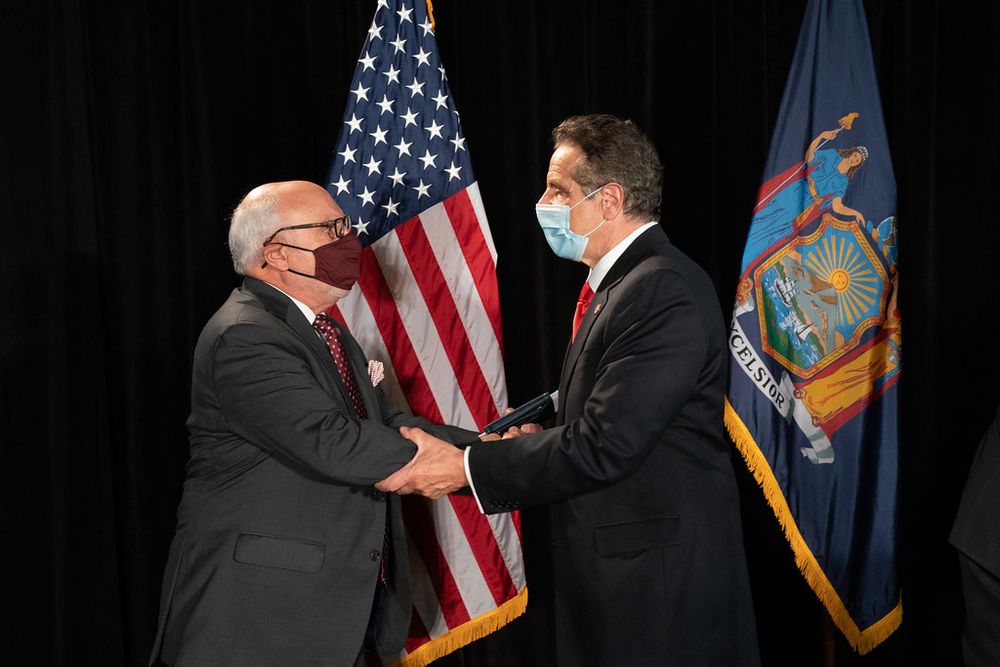
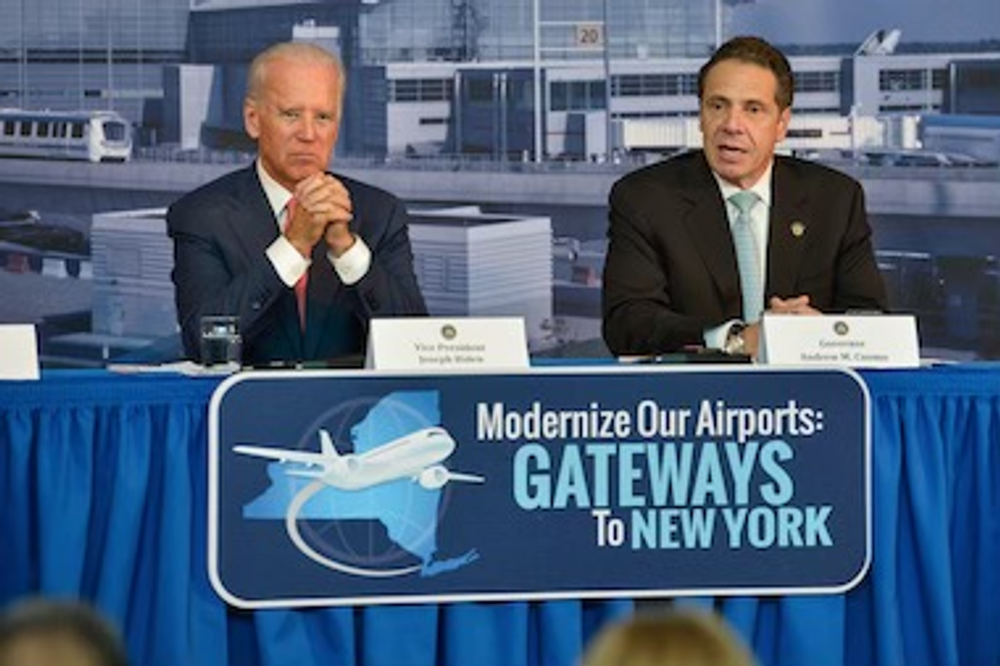
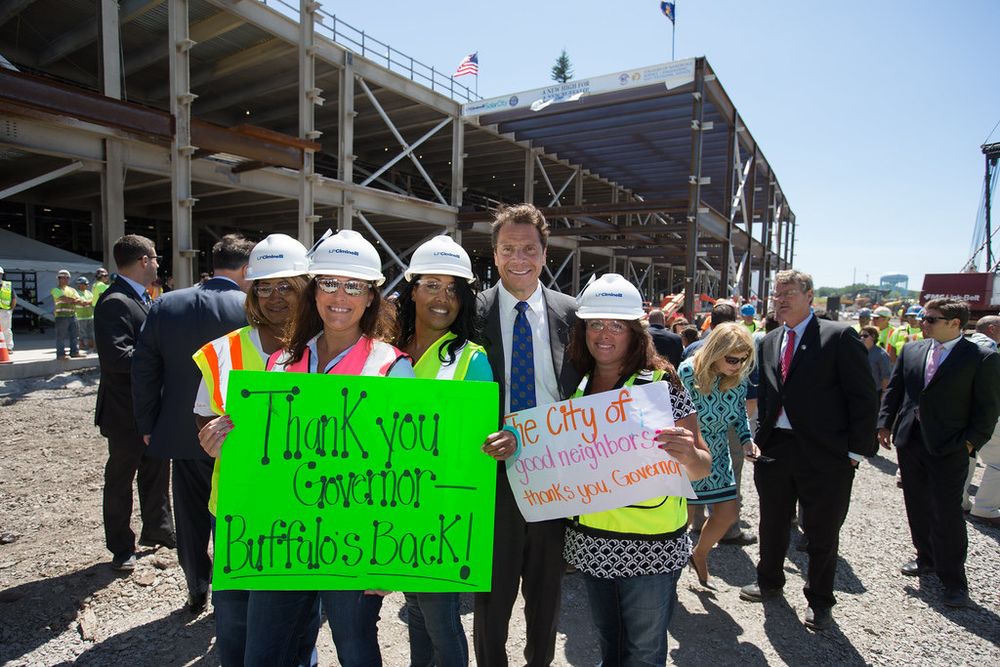
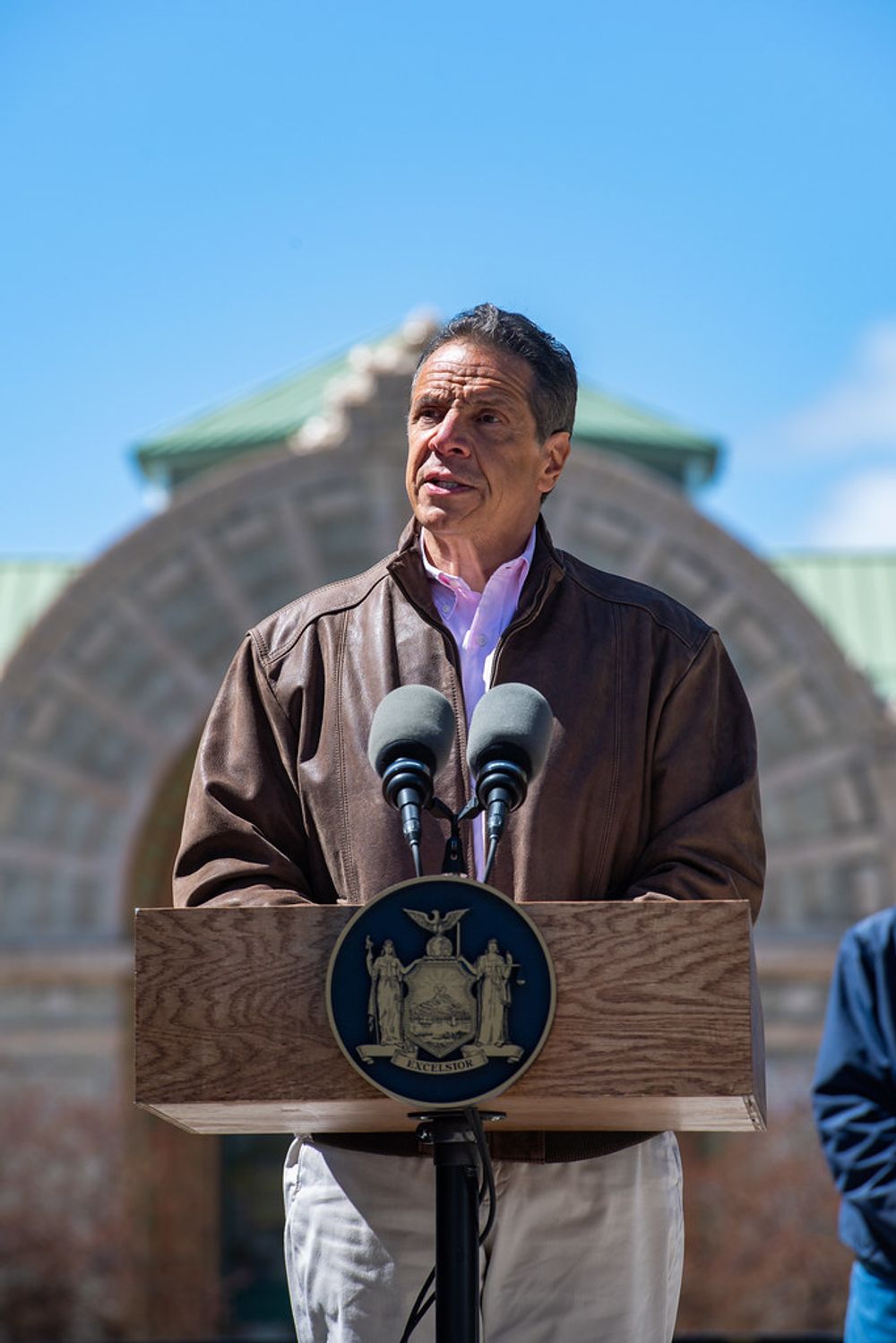
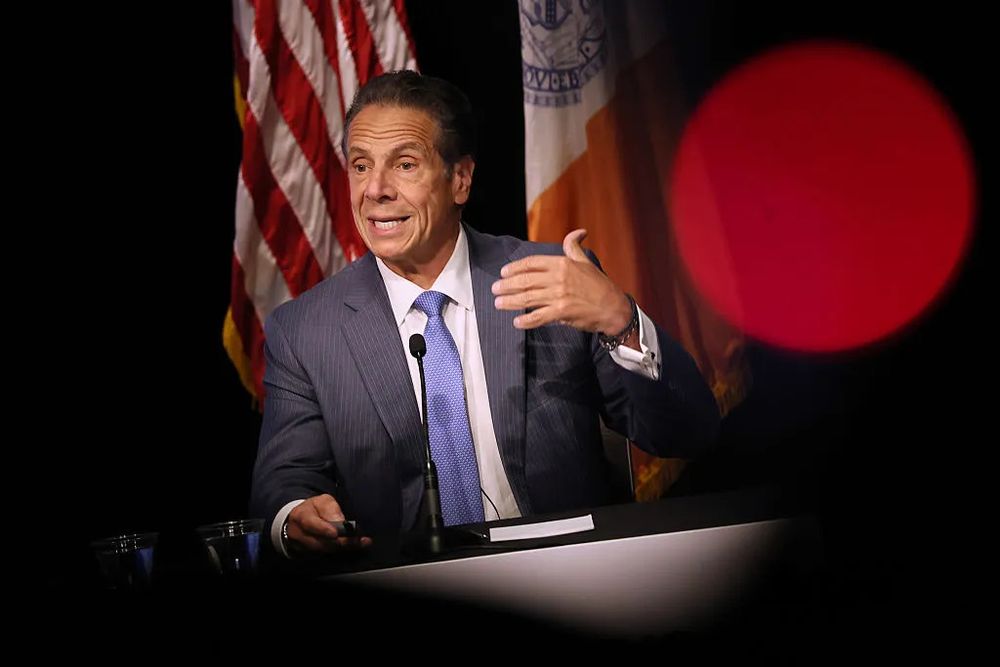
Andrew M. Cuomo served as the 56th Governor of the State of New York from 2011 to 2021, culminating more than three decades of public service at the local, state and federal levels.
Born and raised in Queens, Governor Cuomo is the son of Matilda Raffa Cuomo and the late Governor Mario M. Cuomo. He grew up in a family for whom public service was both a calling and a responsibility, shaped by a belief that government could be a force for progress when guided by principle, grounded in competence and focused on improving people’s lives.
Governor Cuomo graduated from Fordham University and Albany Law School. After beginning his career as an assistant district attorney in Manhattan, he turned his attention to one of New York’s most persistent challenges: homelessness.
In 1986, Governor Cuomo founded Housing Enterprise for the Less Privileged, now HELP USA, beginning with a single shelter for homeless families in Brooklyn. What began as a local initiative grew into a national organization providing housing and supportive services to people experiencing homelessness, including veterans, survivors of domestic violence, seniors and people living with health challenges and disabilities.
That work led Governor Cuomo to Washington, where he joined the administration of President Bill Clinton and ultimately served as United States Secretary of Housing and Urban Development. As HUD Secretary, he led one of the federal government’s largest domestic agencies, overseeing efforts to expand affordable housing, strengthen communities, reform public housing and address homelessness across the country.
Governor Cuomo later returned to New York and was elected Attorney General in 2006, taking office in 2007. As Attorney General, he led investigations and enforcement actions involving corruption, financial institutions and consumer protection and worked to restore integrity and accountability to government.
Four years later, New Yorkers elected him Governor.
Governor Cuomo entered office at a difficult moment in the state’s history. New York faced a $10 billion budget deficit, years of fiscal instability and chronically late budgets, while families and businesses were still recovering from the Great Recession.
He came to the Governor’s Office with a governing philosophy that would define his administration: progressive government should not be measured by the ambition of its rhetoric, but by its ability to deliver results.
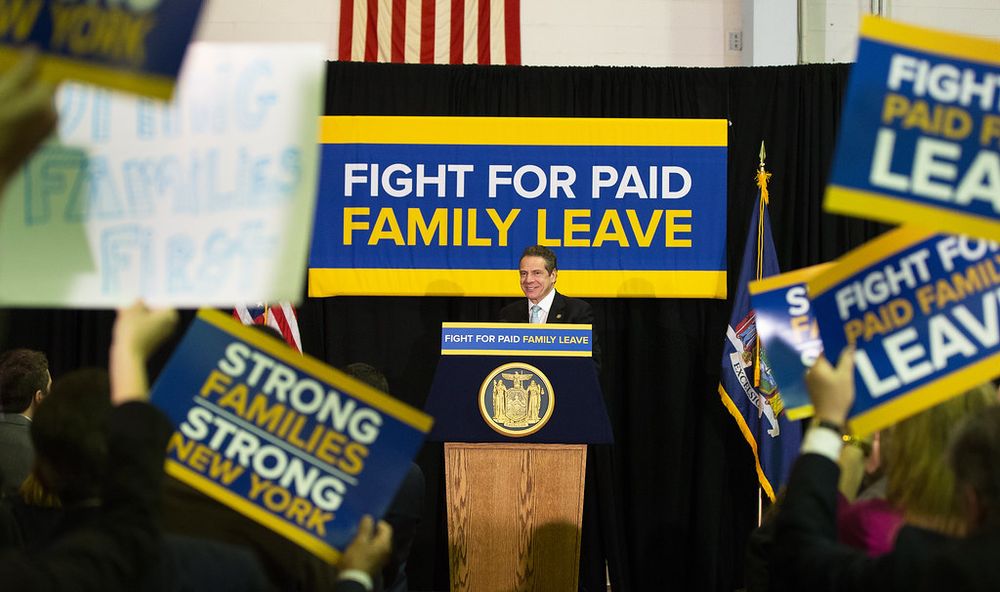
Over the decade that followed, New York enacted a series of consequential social and economic reforms. The state legalized marriage equality four years before the United States Supreme Court recognized that right nationwide; enacted a $15 minimum wage and one of the nation’s most comprehensive paid family leave programs; codified the protections of Roe v. Wade into state law; expanded access to public higher education; strengthened protections for workers; and adopted some of the nation’s strongest gun-safety laws.
At the same time, Governor Cuomo sought to restore confidence in the basic functioning of state government. His administration closed the inherited budget deficit without raising taxes, constrained the growth of state spending, enacted a permanent property tax cap, reduced taxes for middle-class New Yorkers and delivered 11 consecutive timely and balanced budgets. During his tenure, New York achieved its highest credit rating in decades.
Rebuilding New York’s physical infrastructure became one of the defining endeavors of his governorship.
Under Governor Cuomo, the state advanced a $100 billion infrastructure program spanning every region of New York. It included the transformation of LaGuardia Airport, redevelopment of JFK Airport, construction of Moynihan Train Hall, East Side Access and the Second Avenue Subway, new Mario M. Cuomo and Kosciuszko bridges, major improvements to airports across Upstate New York, modernization of the State Thruway and State Park systems, and creation of the 750-mile Empire State Trail.
These projects reflected a broader conviction of Governor Cuomo’s public life: government should still be capable of doing big things — and of leaving behind tangible improvements that endure beyond any administration.
Governor Cuomo also made revitalizing Upstate New York a defining economic priority.
His administration invested billions of dollars in regional economic development, modernized university campuses and research institutions, rebuilt airports and downtowns, revitalized Buffalo through the Buffalo Billion, strengthened tourism and State Parks and pursued emerging industries including advanced manufacturing, photonics, semiconductors, drones and life sciences.
The strategy was built around using public investment to attract private capital, connect universities to regional economies and help communities that had endured decades of industrial decline compete for the industries and jobs of the future.
His years as Governor were also marked by extraordinary tests.
Following Hurricane Irene and Superstorm Sandy, Governor Cuomo led statewide response and recovery efforts and worked to secure billions of dollars in federal assistance to rebuild communities and strengthen critical infrastructure. His administration expanded and professionalized New York’s emergency-management capacity, bringing together state and local governments, first responders, utilities and the National Guard to prepare for and respond to emergencies across the state.
In 2020, New York became the early American epicenter of the COVID-19 pandemic.
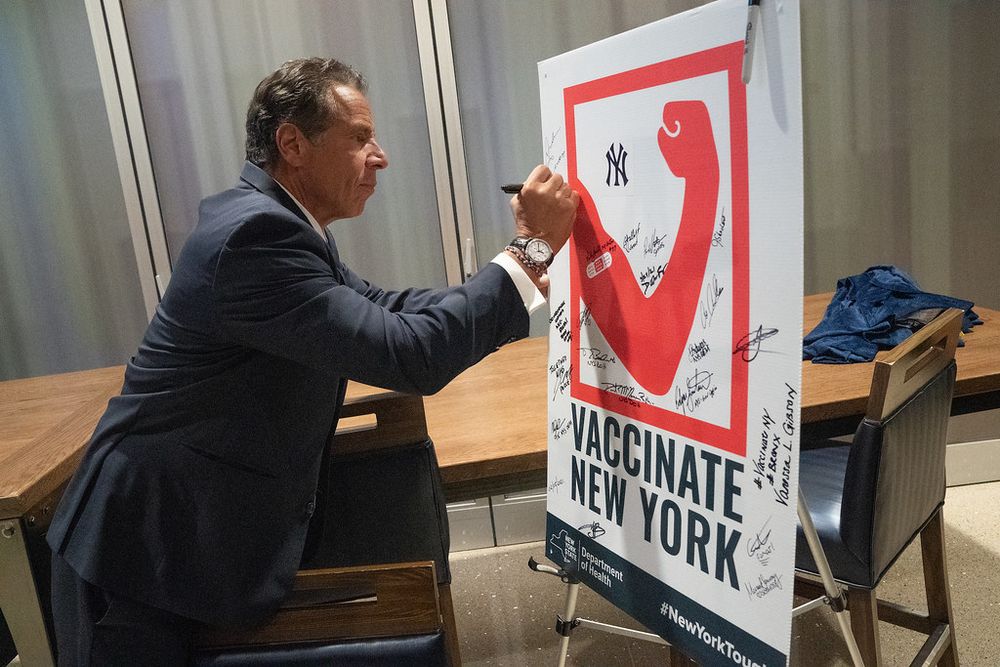
Governor Cuomo led the state’s response during an unprecedented public-health emergency, overseeing hospital surge planning, expanded testing, the mobilization and distribution of medical equipment and supplies, and coordination among hospitals, government agencies, first responders and the National Guard.
His daily public briefings became a defining feature of the crisis. At a moment of extraordinary fear and uncertainty, Governor Cuomo used the briefings to explain rapidly changing facts, communicate the state’s response and provide New Yorkers with a consistent source of information and direction.
The briefings drew millions of viewers, reached audiences across the country and around the world, and received international recognition at the time for the clarity, steadiness and leadership they provided during one of the most difficult periods in modern history.
Across three terms, Governor Cuomo’s administration also made major investments in health care, affordable housing, education, economic development and communities throughout New York. More than one million previously uninsured New Yorkers obtained health coverage through the state’s health-insurance marketplace.
Throughout his career, Governor Cuomo has argued that public service ultimately comes down to a simple measure: whether government makes a meaningful difference in the lives of the people it serves.
For Governor Cuomo, progressivism was never intended to be merely an ideology. It was a demand that government act — to expand opportunity, protect individual rights, build for the future, help those in need and prove through performance that public institutions could still earn the confidence of the people.
Following his governorship, Governor Cuomo remained active in civic and public life through speeches, writing and commentary on issues affecting New York and the nation.
In 2025, he ran for Mayor of New York City, earning the support of more than 900,000 New Yorkers in the general election.
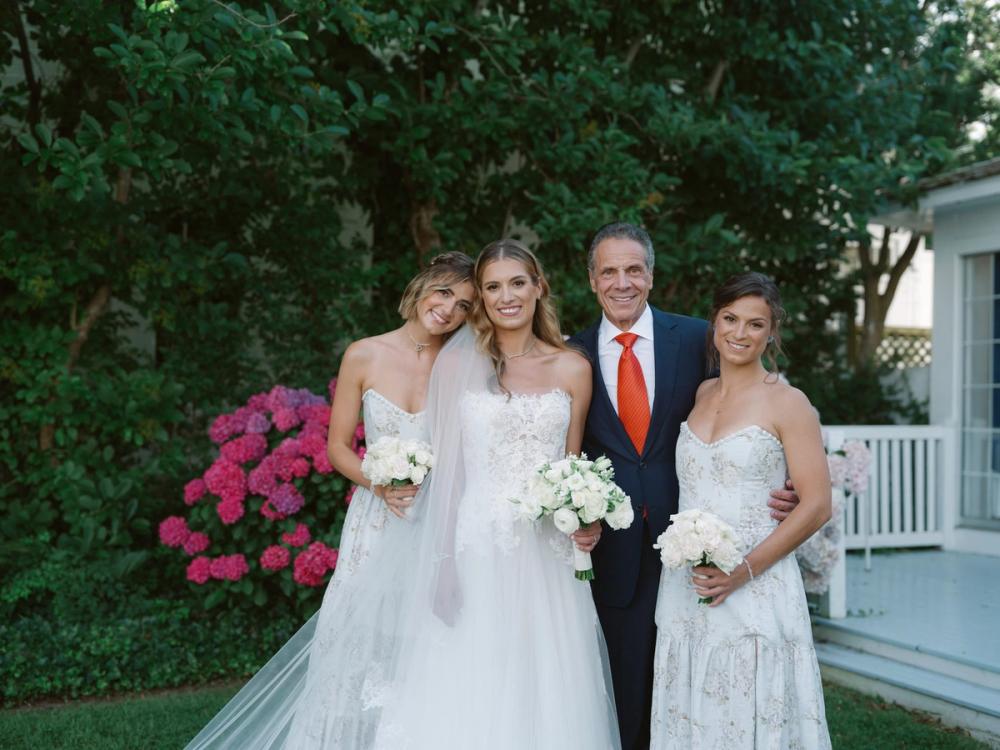
Governor Cuomo is the father of three daughters, Mariah, Cara and Michaela.
His public life has been rooted in New York — the state where he was raised, where generations of his family have lived and served, and where he spent much of his career pursuing the belief passed down to him from his father:
That government, at its best, is not an end in itself, but a means to improve the lives of the people it serves.
A Life in Public Service
-
Queens & the Cuomo Family
Born and raised in Queens and shaped by the example of his parents, Matilda and Mario Cuomo.
-
1982
Campaign Manager & Policy Advisor
Cuomo served as his father's campaign manager in his successful race for Governor. He then joined the governor's staff as a policy advisor, earning $1 a year.
-
1984
Assistant Manhattan District Attorney
After graduating law school and passing the BAR exam, Andrew Cuomo joined the storied Manhattan District Attorney's Office under the legendary Robert Morgenthau.
-
1986
HELP
Governor Cuomo founded an organization dedicated to confronting homelessness that grew from a single Brooklyn shelter into a national provider of housing and supportive services.
-
1993
Clinton Administration
Cuomo entered federal service and was appointed Assistant Secretary for Community Planning and Development in the Department of Housing and Urban Development (HUD).
-
1997
HUD Secretary
Cuomo served as HUD Secretary from January 1997 until the Clinton administration ended in 2001.
-
2007
Attorney General
Governor Cuomo became New York’s Attorney General, leading major efforts involving public integrity, consumer protection and the financial sector.
-
2011–2021
Governor of New York
Governor Cuomo served three terms as New York’s 56th Governor.
-
2020
COVID-19
Governor Cuomo led New York through the early American epicenter of the pandemic. His daily briefings reached millions of viewers across the nation and around the world and were recognized internationally at the time for the clarity and leadership they provided during a period of extraordinary crisis.
-
2025
New York City
Governor Cuomo returned to electoral politics as a candidate for Mayor of New York City, earning the support of more than 900,000 New Yorkers in the general election.
-
Today
Continuing in Public Life
Governor Cuomo continues to participate in civic life through writing, speeches, media appearances and commentary on the future of New York and the nation.